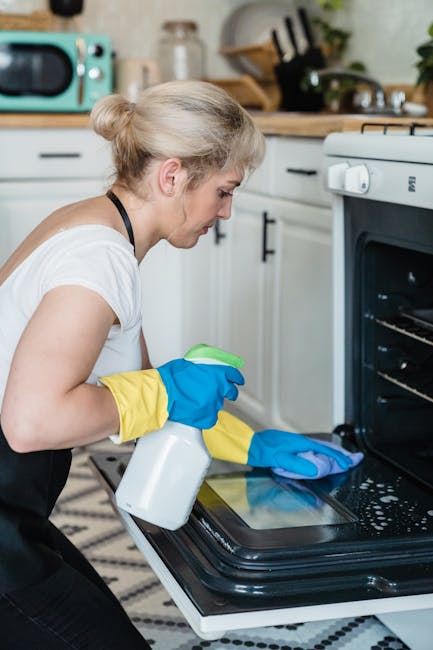
Upton Park station flat cleaning checklist for tenants
If you are moving out, handing back keys, or just want to leave your flat in decent shape, a proper Upton Park station flat cleaning checklist for tenants saves time, stress, and awkward last-minute scrubbing. Truth be told, most people underestimate how much cleaner a place needs to look once furniture is gone and daylight hits every dusty corner. One minute a room seems fine; the next, you can see the marks around the skirting boards, the grease on the hob, and that odd patch behind the bin.
This guide walks you through what to clean, why it matters, how to do it properly, and where tenants often slip up. It is written for real life, not for show. You will find a practical checklist, a step-by-step method, useful comparisons, and a few judgement calls that help you decide when a DIY clean is enough and when calling in help makes more sense.
Contents
- Why Upton Park station flat cleaning checklist for tenants matters
- How the checklist works
- Key benefits and practical advantages
- Who this is for and when it makes sense
- Step-by-step guidance
- Expert tips for better results
- Common mistakes to avoid
- Tools, resources and recommendations
- Law, compliance, standards, or best practice
- Options, methods, or comparison table
- Case study or real-world example
- Practical checklist
- Conclusion
- Frequently asked questions
Why Upton Park station flat cleaning checklist for tenants Matters
End-of-tenancy cleaning is not just about looking tidy. For tenants near Upton Park station, it is often the difference between a smooth move-out and a stressful back-and-forth with the landlord or letting agent. Flats in busy London spots collect grime in sneaky ways: window tracks, extractor fans, limescale around taps, and carpet traffic marks that creep in over time. By the time you are packing boxes, you may not notice them anymore. A checklist brings those blind spots back into view.
There is also a practical reason. Once a flat is empty, every small mark stands out. A streak on the fridge door, crumbs in a drawer runner, soap build-up in the bathroom, or lingering pet odour can suddenly look much worse. Let's face it, nobody wants to be standing in a hallway at 4pm with a sponge and a half-empty bottle of spray, wondering why the oven still looks like that.
A strong cleaning routine also helps tenants document the condition of the property. If you take photos after cleaning, you have a clearer record of what was left behind. That can be useful if any questions come up later. Keep it calm, keep it organised. That's the whole point.
How Upton Park station flat cleaning checklist for tenants Works
The checklist works by breaking the flat into zones and tackling each one in a sensible order. Start high, finish low. Dust falls, so it makes sense to clean shelves, tops of cupboards, and light fittings before you do floors. Work room by room and stay focused on visible surfaces first, then detail areas that people often forget.
A good tenant cleaning routine usually includes three levels:
- Visible clean: surfaces look wiped, sinks shine, mirrors are streak-free, and floors are vacuumed or mopped.
- Detail clean: edges, handles, hinges, skirting boards, and hidden spots behind appliances are dealt with.
- Problem-area clean: carpets, upholstery, stains, odours, limescale, grease, and build-up are treated properly.
In practice, this means a kitchen clean is never just the worktops. It is the extractor hood, the splashback, the inside of the microwave, the kickboards, and the gap beside the cooker too. Likewise, a bathroom clean is not finished when the sink sparkles; the sealant, toilet base, shower screen, and fan grille all matter. Small things, yes. But small things add up fast.
If your flat has soft furnishings that have absorbed everyday use, you may also need specialist support. For example, carpet cleaning is often the difference between a decent-looking room and one that still feels tired, while upholstery cleaning can freshen sofas, dining chairs, and other fabric items that hold onto dust and odours.
Key Benefits and Practical Advantages
The biggest benefit is simple: less stress at the end of the tenancy. But there are a few more advantages worth spelling out.
- Better chance of meeting expectations: A methodical clean is more likely to satisfy the condition the property was handed over in.
- Less wasted effort: You avoid re-cleaning random areas because you forgot them the first time.
- Lower risk of disputes: Clear cleaning evidence and a tidy finish reduce avoidable arguments about standard.
- More control over time: You can clean in stages rather than trying to do everything in one exhausted rush.
- Better odour control: Freshening carpets, upholstery, and soft furnishings helps the flat feel clean, not just look clean.
There is also a comfort factor. After a move, rooms can look a bit raw and echoey, especially in the evening when the light is fading and the last bag is by the door. A proper clean helps you leave the place with your head held high. That matters more than people admit.
Who This Is For and When It Makes Sense
This checklist is for tenants, flat sharers, students, and anyone moving out of a rented property near Upton Park station. It is especially useful if you are on a deadline, managing cleaning around work, or trying to split tasks fairly between housemates. It also helps if you have pets, children, or a busy household, because those homes tend to need more than a quick wipe-down.
It makes sense to use a checklist when:
- you are ending a tenancy and want to leave the flat in good order;
- you need to compare what you can do yourself versus what needs specialist treatment;
- you are sharing cleaning tasks across several people;
- you want evidence that the place was cleaned properly before handover;
- you have soft furnishings, carpets, or stains that need more than normal domestic cleaning.
If your tenancy includes carpets, rugs, or fabric furniture, it can be worth looking at steam carpet cleaning for deeper soil removal, or rug cleaning if the floor covering has gathered dust and foot traffic marks over time. Not every flat needs the same level of service, of course. But some do, and you usually know which ones once you look closely.
Step-by-Step Guidance
Here is a clean, sensible method you can follow without overthinking it.
- Declutter first. Remove all personal items, bin liners, bathroom products, food, and anything left in drawers or cupboards. Cleaning around clutter is a false economy.
- Open windows if you can. Fresh air helps with drying and makes the flat easier to work in. A stuffy room makes every product smell stronger than it needs to.
- Dust high surfaces first. Start with shelves, tops of cupboards, blinds, light shades, and picture rails. Work downward so dust does not settle on finished areas.
- Focus on the kitchen. Clean the oven, hob, extractor hood, sink, taps, splashback, fridge, freezer, cupboard fronts, handles, and drawer edges. Pull out appliances if it is safe to do so and clean behind them.
- Move to the bathroom. Descale taps and shower screens, scrub grout, clean the toilet inside and out, wipe the cistern, and do not forget the floor behind the door. That little corner always collects more grime than you expect.
- Refresh living spaces. Vacuum carpets slowly, edge to edge. Wipe skirting boards, window sills, sockets, switches, and doors. If stains remain on fabric, treat them carefully rather than scrubbing hard and spreading them.
- Clean bedrooms thoroughly. Check wardrobes, shelves, under beds, and around radiator pipes. If mattresses or curtains have obvious marks or odours, deal with them now rather than hoping nobody notices.
- Finish with floors and final checks. Mop hard floors, vacuum again if needed, and do a slow walkthrough in good light. Morning light is brutal, by the way. It reveals everything.
- Photograph the result. Take clear pictures of the cleaned rooms, especially any areas that were previously marked or heavily used.
If you are dealing with stubborn spots, targeted stain removal is often better than repeated general cleaning. For smell issues, especially from smoke, spills, or pets, pet stain odour removal can be particularly useful, even when the problem is not strictly pet-related. Odours behave strangely in empty flats; they sit in the air and in fabrics, and then suddenly they are all you can notice.
Expert Tips for Better Results
A few simple habits can improve the final result quite a lot.
- Use the right cloth for the job. Microfibre works well for most hard surfaces because it lifts rather than just smears dirt around.
- Let products dwell briefly. Spray cleaner, wait a little, then wipe. Rushing means more elbow grease and poorer results.
- Work from clean to dirty. Save the grim bits, like bins and toilet bases, for later in the session.
- Check touchpoints. Door handles, light switches, cupboard pulls, and remotes collect more fingerprints than people realise.
- Use daylight and artificial light together. A room may look fine at noon and still show streaks at 7pm under warm bulbs. Both matter.
- Do a smell check. After cleaning, step out for ten minutes and come back in. If the flat still smells damp, greasy, or musty, something is being missed.
For sofas, chairs, or upholstered dining seating, it is usually better to clean gently and evenly rather than over-wetting a patch in frustration. If fabric furniture needs more than a surface refresh, sofa cleaning or specialist mattress cleaning may be the more reliable route.
One more thing. Do not clean in random bursts if you can avoid it. A flat cleaned in a single, steady sequence usually looks better than one cleaned in a scattered, exhausted way. Sounds obvious, but people still do it all the time.
Common Mistakes to Avoid
Most problems at move-out are not caused by terrible cleaning. They are caused by missed details, weak planning, or using the wrong method for the wrong surface.
- Leaving the kitchen until last: It is the hardest room and usually the dirtiest. Give it proper time.
- Ignoring inside cupboards: Empty shelving counts. So do crumbs, sticky spills, and old packaging bits.
- Forgetting behind appliances: A quick glance can hide a surprising amount of dust and grease.
- Using harsh products on delicate finishes: Some surfaces mark easily. Test carefully if you are not sure.
- Scrubbing stains too aggressively: This can damage fibres or spread the stain wider.
- Not allowing drying time: Damp carpets, windows, or bathroom surfaces can look unfinished even after a lot of work.
- Assuming "tidy" equals "clean": It doesn't. Not really.
Another common issue is underestimating the time needed for fabric cleaning. Carpet lanes, upholstery marks, and mattress stains often need more care than surface dusting. If the flat contains heavier wear, you may want to consider whether specialist help is worth it before you run out of steam halfway through a Sunday afternoon.
Tools, Resources and Recommendations
You do not need a trolley full of products, but you do need the basics. Keep it simple and reliable.
- microfibre cloths
- vacuum cleaner with crevice tool
- mop and bucket, or a flat mop system
- non-abrasive bathroom cleaner
- degreaser for kitchen surfaces
- glass cleaner
- limescale remover, used carefully
- rubber gloves
- old toothbrush or detail brush for edges and grout
- bin bags and storage boxes for clearing clutter
For soft furnishings and flooring, it helps to think in categories. General vacuuming is fine for maintenance, but deeper issues often need a more specific approach. That is where services like curtain cleaning and upholstery cleaning can make a noticeable difference in the final presentation of the flat. They are not always necessary, but when they are, you usually see the improvement immediately.
If you are cost-checking, you may also want to review pricing and quotes before deciding whether to clean everything yourself or split the work with a professional finish on the tougher items.
Law, Compliance, Standards, or Best Practice
In rented properties, the main concern is usually not a complicated piece of law. It is whether the property is returned in the condition expected under the tenancy agreement, allowing for fair wear and tear. That phrase matters. Normal ageing is not the same thing as dirt, neglect, or damage.
Best practice for tenants usually includes:
- cleaning the property to a reasonable, presentable standard before checkout;
- removing all belongings and rubbish;
- not causing damage while cleaning;
- keeping records of condition with dated photos if useful;
- checking the inventory and any move-out instructions from the landlord or agent.
If there are carpets, upholstered items, or delicate fixtures, use care and avoid anything that could make matters worse. Some tenants think a stronger product means a better result. Not always. On certain surfaces, it just means a bigger problem and a slightly awkward conversation later.
For peace of mind around service quality and accountability, it is sensible to review the company's terms and conditions, health and safety policy, and insurance and safety information before booking any professional cleaning support. That is simply good practice. Calm, boring, sensible practice - which is usually the best kind.
Options, Methods, or Comparison Table
Not every flat needs the same cleaning method. Here is a simple comparison to help you choose the right approach.
| Method | Best for | Pros | Limitations |
|---|---|---|---|
| DIY standard clean | Light-to-moderate dirt, tidy flats, simple move-outs | Low cost, flexible timing, good for visible cleaning | Harder to handle grease, deep stains, and odours |
| DIY deep clean | Flats needing more detail and better finish | More thorough, can target problem areas | Takes longer and needs more equipment |
| Professional carpet or upholstery treatment | Heavily used floors, fabric furniture, stubborn marks | Stronger results on fibres, better odour control | Extra cost, needs booking time |
| Combined end-of-tenancy approach | Busy flats, pet homes, or higher-standard handovers | Most reliable finish, balanced effort | Requires planning and a slightly bigger budget |
In many cases, the best route is a hybrid one. Clean the whole flat yourself, then bring in help for the items that need specialist attention. That is often the smartest use of time and money. You do not need to wrestle the whole flat into perfection with one bottle of spray and a brave face.
Case Study or Real-World Example
A typical move-out near Upton Park station might go like this. A tenant finishes packing on a Friday night, looks around the flat, and thinks it is basically fine. By Saturday morning, with natural light coming through the lounge window, the story changes. The carpet has traffic marks near the sofa spot, the bathroom mirror is streaked, the extractor fan has a dusty ring, and the kitchen cupboards show sticky fingerprints around every handle.
Rather than trying to do everything in a panic, the tenant splits the job into sections. The kitchen is done first because it takes the longest. The bathroom follows. Then the bedroom and living room are cleared and vacuumed. A stain on the hallway runner is treated carefully, and the sofa is freshened because it had picked up a faint smell after months of daily use. The last step is a photo walkthrough.
The useful bit here is not the perfect outcome. It is the sequence. The flat ends up looking properly cared for, and the tenant is not rushing around at the last second with a half-finished mop bucket. That is the quiet win.
Practical Checklist
Use this as a final walkthrough before you hand the keys back.
- Hallway and entrance
- Remove all belongings
- Vacuum or mop floors
- Wipe skirting boards, doors, and handles
- Check for marks near switches and the front door
- Kitchen
- Clean oven, hob, extractor hood, and splashback
- Wipe inside and outside cupboards
- Clean fridge, freezer, and microwave
- Degrease worktops, sink, taps, and tiles
- Remove crumbs from drawers and corners
- Clean behind and beside appliances if safe
- Bathroom
- Descale taps, shower head, and screen
- Clean toilet bowl, seat, base, and cistern
- Scrub sink, bath, and grouting
- Wipe mirrors, shelves, and cabinets
- Clean floor edges and behind the door
- Living room and bedroom
- Vacuum carpets slowly and thoroughly
- Dust shelves, window sills, radiators, and light fittings
- Wipe doors, handles, switches, and sockets
- Check under beds and behind furniture
- Deal with stains on carpets, rugs, or furniture where needed
- Soft furnishings and fabrics
- Check curtains for dust and marks
- Freshen sofas and chairs
- Inspect mattresses for stains or odours
- Book specialist help if the fabric needs a deeper clean
- Final checks
- Take photos in good light
- Empty bins and remove rubbish
- Open windows briefly to air the flat
- Walk through each room slowly before leaving
If you have pet-related issues, or a flat that simply holds smells a bit too well, a professional approach to pet stain odour removal can be a sensible finishing touch. For broader trust signals and a bit more background on the business behind this advice, you can also review the company's about us page and recycling and sustainability information.
Get a free quote today and see how much you can save.
Conclusion
A good tenant clean is not about making the flat look unrealistically new. It is about showing care, covering the details that matter, and leaving the property in a state that feels fair to everyone involved. With a clear checklist, a bit of sequence, and the right support for carpets or fabrics, the whole process becomes much more manageable.
If you are near Upton Park station and trying to finish a move without losing your mind over one stubborn stain or one dusty skirting board, start with the checklist above and work through it room by room. Keep the pace steady. Be thorough where it counts. And if some parts are beyond a standard wipe-down, that is fine too. Better to deal with them properly than to hope for the best.
One clean room at a time. That is usually how it gets done.
Frequently Asked Questions
What should be included in an end-of-tenancy cleaning checklist for tenants?
It should cover every room, including kitchens, bathrooms, floors, doors, switches, windowsills, cupboards, and any carpets or upholstered items. The goal is a full reset rather than a quick tidy.
How clean does a rented flat need to be before moving out?
In general, it should be returned in a clean and presentable condition, allowing for fair wear and tear. The exact standard depends on the tenancy agreement and the property's condition at the start of the tenancy.
Do tenants near Upton Park station need professional cleaning services?
Not always. Many flats can be handled with careful DIY cleaning, especially if they are lightly used. Professional help makes more sense when there are stubborn stains, carpet wear, odours, or time pressure.
Which room usually takes the longest to clean?
The kitchen usually takes the longest because of grease, appliances, cupboard interiors, and hidden buildup. Bathrooms can also take a while if limescale or mould has built up.
Should I clean carpets myself or book a specialist?
If the carpets are only lightly marked, vacuuming and spot treatment may be enough. If there are deep traffic marks, stains, or odours, a specialist clean is often the better option.
What is the best order to clean a flat before moving out?
Start by decluttering, then clean high surfaces, followed by the kitchen, bathroom, living areas, bedrooms, and floors. This order keeps dust and debris from settling onto already cleaned areas.
Do I need to clean behind appliances?
Yes, if it is safe to move them and if your tenancy allows it. Dust and grease often build up behind fridges, cookers, and washing machines, and those areas are easy to miss.
How can I deal with smells in a flat before handover?
Air the flat well, clean soft furnishings, empty bins, and treat any spill or pet-related source directly. If smells linger, targeted fabric or odour treatment may help more than general cleaning.
What photos should I take after cleaning?
Take clear photos of each room in good light, plus close-ups of any repaired or heavily cleaned areas. That gives you a simple record of the flat's final condition.
Can curtains, sofas, or mattresses affect a move-out clean?
Yes, they can. Soft furnishings absorb dust, smells, and stains, and they are often the last thing people think about. A deeper finish may be needed for a truly clean handover.
Is steam cleaning useful for tenants?
It can be, especially for carpets and some fabrics, because it helps lift deeper soil and refresh surfaces. But it should be used appropriately for the material, not just as a blanket solution.
What should I do if I am short on time before checkout?
Focus on the kitchen, bathroom, floors, and visible touchpoints first. Then deal with carpets or upholstery if time allows, or book specialist support for the toughest areas.
Where can I get more information about booking a cleaning service?
You can review the company's contact us page for next steps, and check the complaints procedure and privacy policy if you want to understand how things are handled. It is always worth reading the small print, boring as that sounds.