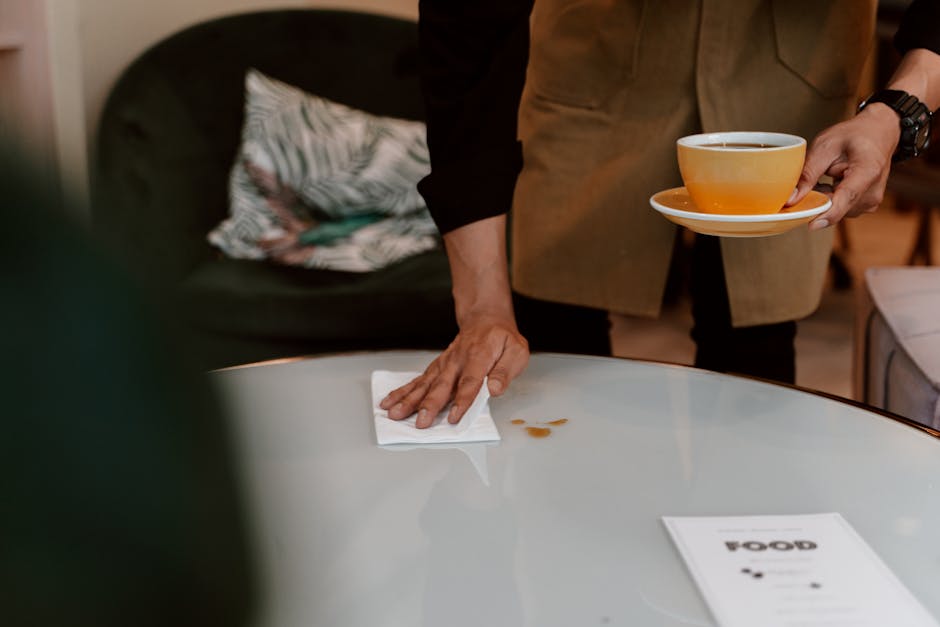
Barking Road restaurant cleaning services for West Ham E13
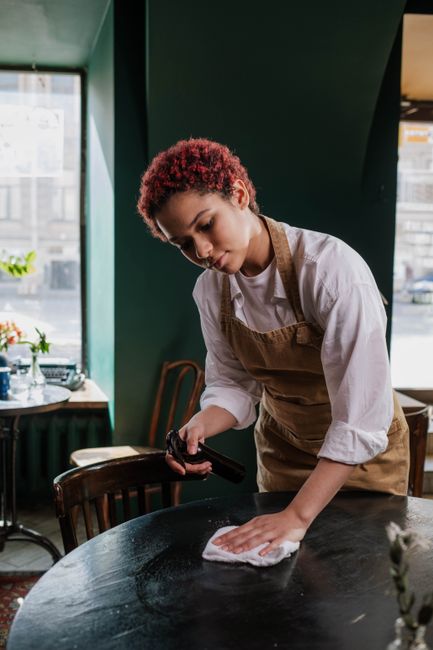
If you run a restaurant on or near Barking Road in West Ham E13, you already know the truth: cleanliness is not just about looking presentable. It affects food safety, staff morale, customer trust, and how smoothly service runs at 7:30 on a Friday night when the tickets start flying. Barking Road restaurant cleaning services for West Ham E13 are designed to handle that pressure properly, with a focus on the areas that actually matter in a busy hospitality setting.
From front-of-house dining areas to greasy kitchen floors, extractor-adjacent dirt, upholstery, and stubborn spills, a proper restaurant clean needs more than a quick sweep and a cheerful promise. This guide explains what professional cleaning involves, how it works, what to look for, and how to choose a service that fits the reality of restaurant life in West Ham E13. It is practical, local, and written for people who need things done right first time. Because let's face it, nobody wants to reopen to the smell of yesterday's service.
Why Barking Road restaurant cleaning services for West Ham E13 Matters
A restaurant on Barking Road has a different cleaning challenge from an office, shop, or home. You are dealing with constant footfall, food residue, moisture, drink spillages, airborne grease, and the simple fact that customers judge a place in seconds. The floor might be spotless in the kitchen and still look tired in the dining room if the carpets, banquettes, or entrance mats are holding on to traffic dirt. That first impression matters more than people like to admit.
In a hospitality environment, cleaning is not a side task. It is part of service quality. When chairs feel fresh, carpets are free of sticky patches, and odours are controlled, guests settle in more comfortably. Staff also work better in spaces that feel organised and hygienic. You can almost hear the difference in the room: less squeaky stress, more calm movement, less rushing around trying to deal with small messes that have turned into bigger ones.
West Ham E13 has a mix of busy transport routes, local residents, commuters, and dining customers who may pop in after work, before a match, or during a weekend outing. That means your premises may see different kinds of wear at different times. A Tuesday lunch service is not the same as a Saturday evening rush. A proper cleaning plan understands that rhythm instead of treating every restaurant like a blank canvas.
There is also a reputation angle. Online reviews often mention things that owners cannot fully control, but cleanliness is one thing you can control. A clean front entrance, fresh seating, and well-kept floors say, quietly but clearly, that the business pays attention. That is worth a lot.
How Barking Road restaurant cleaning services for West Ham E13 Works
Professional restaurant cleaning is usually built around your layout, trading hours, surface types, and problem areas. A decent provider will not just arrive with a vacuum and a bucket. They will look at what is actually being used, where dirt builds up, and how quickly the space needs to be turned around so service is not disrupted. In other words, it should feel tailored, not templated.
For many restaurants, the process starts with a site assessment or at least a detailed conversation. That is where you discuss floors, carpets, upholstered seating, windows, high-touch surfaces, and any recurring issues such as food stains, drink spills, or odours. If your premises include soft furnishings, it may make sense to combine the visit with upholstery cleaning, sofa cleaning, or carpet cleaning, depending on what is installed in the dining area.
From there, the work is usually divided into zones:
- Front-of-house such as flooring, seating, skirting, entry points, and visible touchpoints.
- Dining surfaces including chairs, booth edges, and fabric upholstery.
- Kitchen-adjacent areas where splashes, grease, and residue need careful removal.
- Problem spots such as stains, odours, and worn traffic routes.
Some cleaning jobs are light and frequent; others are deep and less frequent. For example, a restaurant might have daily wipe-downs handled in-house, then book periodic professional work for carpets, stubborn marks, or steam-based deep cleaning. If you need a deeper refresh for flooring, steam carpet cleaning can be useful where fabric and pile need a more intensive treatment. Not every space needs the same method, and that is where experience helps.
A professional service will also think about drying times, ventilation, and safe access. If a cleaning job is done at the wrong time, it can delay opening or create slip risks. That is why many restaurant owners prefer early mornings, late evenings, or quiet trading windows. Simple idea, but it saves hassle.
Key Benefits and Practical Advantages
The obvious benefit is cleanliness, but the real value goes further than that. Good restaurant cleaning supports the whole operation.
1. Better customer experience
Guests notice when a room feels cared for. Clean upholstery, tidy carpets, and fresh-smelling seating create a more relaxed atmosphere. People might not mention it if it is done well, but they absolutely notice when it is not.
2. Stronger hygiene standards
Professional cleaning helps reduce the build-up of grime in places that daily routines can miss. That includes corners, under seating, along edges, and on fabric surfaces where spills settle in over time.
3. Longer life for furnishings and flooring
Daily footfall and food service are tough on interiors. Routine deep cleaning can help extend the life of carpets, soft seating, and other surfaces. That means fewer premature replacements and less disruption. Not glamorous, but very real.
4. Fewer stubborn stains and odours
One curry spill or red wine accident can linger far longer than expected. If the area is treated quickly and properly, the chance of permanent marking drops a lot. For targeted issues, stain removal and pet stain odour removal techniques can also be relevant in mixed-use hospitality spaces where smells and marks build up in fabrics.
5. Better working conditions for staff
People work differently in a clean environment. They move more confidently, keep standards up more easily, and spend less time firefighting tiny messes all shift long. That frees up energy for what matters: good service.
Expert takeaway: the best restaurant cleaning is not the one that looks impressive for ten minutes after the team leaves. It is the one that keeps the space service-ready, safe, and pleasant through the full trading cycle.
Who This Is For and When It Makes Sense
This service is a good fit for a wide range of hospitality businesses in and around West Ham E13. You do not need to be a large venue to benefit. In fact, smaller independent restaurants often feel the improvement most sharply because one missed spill or tired carpet can affect the whole room.
It is especially useful for:
- Independent restaurants with dining rooms and upholstered seating
- Cafes and bistros with carpeted or fabric-rich interiors
- Takeaways with customer waiting areas that need to stay spotless
- Restaurants with high-turnover footfall near Barking Road
- Businesses preparing for inspections, relaunches, or seasonal trading peaks
- Sites where in-house cleaning is already stretched
You may also want a specialist clean after a busy period, a renovation, a menu relaunch, or a patch of bad weather that has dragged mud through the entrance. West Ham weather can be grim at times, to be fair, and wet floors plus heavy footfall means dirt moves quickly indoors.
Another sensible moment to book is when customers start noticing wear before you do. That sounds odd, but it happens. Staff get used to the environment. Regular guests do not. They will spot a dull patch on a carpet or a lingering smell long before the manager has a chance to worry about it. And once they notice, they tend to keep noticing.
Step-by-Step Guidance
If you are planning Barking Road restaurant cleaning services for West Ham E13, it helps to approach it methodically. A good process keeps surprises low and results more consistent.
- Identify the problem areas
Walk the venue as a customer would. Look at the entrance, waiting area, seating, floors, and any soft furnishings. Note where spills happen most often and where dirt accumulates fastest. - Separate routine cleaning from deep cleaning
Daily cleaning should cover the basics. Professional work should target embedded dirt, worn fabrics, or specific hygiene and appearance issues that require more than surface-level effort. - Choose the right treatment for each material
Carpet, upholstery, rugs, and hard flooring all need different handling. For example, a fabric booth may need one approach while the floor near the entrance may need another. If the venue has decorative rugs or feature pieces, rug cleaning may be worth including. - Plan around trading hours
Set the job for a window that minimises disruption. Early morning is often easiest, but not always. Some venues prefer after-close service, especially if there are several rooms or a tight service schedule. - Ask about drying and re-opening times
It sounds simple, but it matters. A clean space that is still damp or awkward to use is not really ready. Clarify how long each area should be left before staff and customers come back through. - Review the results and set a repeat schedule
After the first clean, notice what improved most and what still needs attention. Then build a sensible schedule rather than waiting until things look visibly tired again.
A small tip from experience: the best time to assess a restaurant is not right after opening, when everything is hopeful and polished. It is later in the day, when real trading has happened. That is where the service proves itself.
Expert Tips for Better Results
There are a few simple habits that make a big difference to cleaning outcomes. None of them are fancy. That is kind of the point.
- Deal with spills early. Even a quick blot can stop a stain from setting into fibres.
- Use entrance mats properly. They catch grit and moisture before it spreads through the venue.
- Keep upholstery on a rotation. Seating that is cleaned on a sensible cycle lasts longer and looks better.
- Book around busy seasons. Before bank holidays, match days, or festive periods, clean the areas that show wear fastest.
- Ask for the method, not just the outcome. If someone explains how they will treat your surfaces, you can judge whether they actually understand hospitality cleaning.
- Combine services where it makes sense. A venue needing floor refreshes may also benefit from commercial carpet cleaning alongside fabric care.
One slightly overlooked point: odour control is not always about fragrance. In restaurants, people often confuse "smells nice" with "is clean", but those are not the same thing. A clean room should smell neutral and fresh, not heavily perfumed. Too much scent can be a distraction. Honest, clean air wins every time.
Also, keep a record of what gets cleaned and when. It does not have to be glamorous. A simple log helps you spot patterns, such as one booth that always attracts spills or a corner that needs more frequent attention. That kind of detail saves money later.
Common Mistakes to Avoid
Restaurant owners are usually busy, so it is understandable that cleaning gets handled reactively. But a few common mistakes can make the job harder than it needs to be.
- Waiting until visible dirt becomes a problem. By then, stains may be harder to lift and fabrics may already look worn.
- Using one approach for every surface. A method that works on one material can damage another.
- Ignoring odours because they are subtle. Smell builds slowly, and regular staff can become nose-blind to it.
- Assuming daily wipe-downs are enough. They are necessary, but they are not a substitute for deep cleaning.
- Booking at the wrong time. Cleaning too close to service can lead to damp floors, slow re-opening, or rushed finishing.
- Choosing price alone. Cheapest is not always best. A rushed clean can cost more in the long run if it leaves the root problem untouched.
Truth be told, the biggest mistake is usually inconsistency. A one-off clean can make a space look good for a moment. A smart cleaning plan keeps it that way.
Tools, Resources and Recommendations
You do not need to become a cleaning specialist to manage the process well, but it helps to understand the main tools and service categories involved. That makes conversations with providers much easier.
Useful service areas may include:
- steam carpet cleaning for deep fibre refreshes
- upholstery cleaning for booths, chairs, and soft seating
- stain removal for food, drink, and traffic marks
- carpet cleaning for entrances, dining spaces, and waiting areas
- sofa cleaning where lounge-style seating is used
Alongside those services, it is useful to ask about the basics that support a smooth clean: drying time, access requirements, movement of furniture, ventilation, and any areas that should stay out of bounds until treatment is complete. A provider who talks through those details usually has a practical grasp of hospitality work.
If you are comparing providers, look at more than surface promises. Ask whether they have a clear health and safety policy, whether their work is supported by insurance and safety arrangements, and how they handle quotes through pricing and quotes. Those pages do not clean a carpet for you, obviously, but they do tell you a lot about how the business operates.
If you prefer to understand who you are dealing with first, the about us page is often a useful starting point. It helps you sense whether the company feels organised, local, and straightforward.
Law, Compliance, Standards, or Best Practice
Restaurant cleaning is not just a cosmetic exercise. In the UK, hospitality businesses have to think carefully about hygiene, risk control, and safe working practices. The exact obligations will depend on your premises and operations, so it is sensible to keep things practical and well documented rather than assuming one rule covers everything.
As a rule of thumb, good practice means:
- keeping surfaces and floors in a condition that supports safe operation
- reducing slip and trip risks, especially where water or cleaning solutions are used
- handling chemicals responsibly and storing them appropriately
- making sure work does not compromise food areas or customer safety
- maintaining clear communication between cleaning teams and restaurant staff
If you are hiring a service, it is sensible to ask how they approach health and safety, how they protect customers and staff during the clean, and how they document their methods. That is not being fussy. That is just good business.
There are also broader trust signals worth checking. For example, a business that publishes a privacy policy, a terms and conditions page, and a payment and security explanation is usually being transparent about how it works. Likewise, a visible recycling and sustainability approach can matter to restaurants that want to present a responsible image and reduce waste where possible.
And if something ever goes wrong, a clear complaints procedure is a reassuring sign. No one wants to use it, but it tells you the business has thought through accountability. That matters.
Options, Methods, or Comparison Table
Not every restaurant needs the same cleaning method. The right option depends on the surface, how much traffic it sees, and what kind of soil is present. Here is a simple comparison to help with decision-making.
| Method | Best for | Strengths | Watch-outs |
|---|---|---|---|
| Routine in-house cleaning | Daily upkeep, surface wipe-downs, light debris | Fast, flexible, keeps standards ticking over | Can miss embedded dirt and deeper stains |
| Professional carpet cleaning | Dining areas, entrances, corridors, waiting spaces | Helps refresh appearance and remove traffic build-up | Needs time to dry; timing matters |
| Steam cleaning | Deep fibre cleaning and more intensive restoration | Effective for embedded grime and tired carpets | Not suitable for every material or every schedule |
| Upholstery treatment | Booths, chairs, banquettes, soft seating | Improves appearance and comfort, supports odour control | Requires correct fabric-safe methods |
| Targeted stain work | Spills, marks, and isolated problem areas | Efficient when the issue is localised | Older stains may need multiple passes |
If you are unsure which route to choose, start with the surfaces that affect customer perception most. In many restaurants, that means seating and entrance flooring. Those two areas do a surprising amount of heavy lifting.
Case Study or Real-World Example
Here is a realistic example. A small restaurant on Barking Road had a bright dining area, decent food, and a loyal local following, but the soft seating near the windows had started to look tired. The carpet around the entrance had darkened from constant foot traffic, and there was a faint lingering smell that became more noticeable after the lunch rush. Nothing dramatic. Just enough to make the room feel older than it really was.
The owner did not want to close for a full day, so the cleaning was scheduled around a quieter trading window. The focus was split into three parts: entrance carpet care, upholstery treatment for the seating, and targeted stain work on the worst marks. The result was not some magical makeover. It was more grounded than that. The room looked lighter, the smell was cleaner, and staff said guests seemed to settle in quicker.
That kind of outcome is common. Most restaurants do not need theatrical intervention. They need practical restoration at the right interval. Small improvements add up. They really do.
Practical Checklist
Use this checklist before you book or schedule Barking Road restaurant cleaning services for West Ham E13:
- Identify the exact areas that need cleaning
- Note which surfaces are carpet, fabric, hard floor, or mixed material
- Separate daily cleaning tasks from deep-clean requirements
- Decide whether the job needs to happen before opening or after close
- Ask about drying time and ventilation needs
- Check whether furniture needs moving or protecting
- Confirm whether stains, odours, or traffic wear need special treatment
- Review provider trust signals such as policies, insurance, and terms
- Make sure staff know which areas will be out of use during treatment
- Set a repeat schedule so cleaning stays proactive, not reactive
Quick summary: if your venue feels clean at the start of service but tired by the end, your cleaning plan is probably too light or too infrequent. A better plan closes that gap.
Conclusion
Barking Road restaurant cleaning services for West Ham E13 are about more than appearance. They support customer confidence, protect your furnishings, help staff work better, and keep your venue in a condition that matches the standard of your food and service. In a busy part of East London, where footfall and trading pressure can wear a space down quickly, that matters every day.
The best approach is usually straightforward: know your problem areas, choose the right method for each surface, clean at the right time, and work with a provider who understands restaurant realities rather than treating your site like a generic job. A clean dining room feels calmer. A fresh entrance feels more welcoming. And the whole business tends to run a little smoother, which is no small thing.
If you are planning ahead for a deep clean, a seasonal refresh, or simply want to bring tired surfaces back to life, the next sensible step is to compare your options and get a clear quote before the problem gets any bigger.
Get a free quote today and see how much you can save.
Frequently Asked Questions
What do Barking Road restaurant cleaning services for West Ham E13 usually include?
They often include cleaning for dining areas, carpets, upholstered seating, entrances, and targeted stain or odour treatment. The exact scope depends on your layout and what needs attention most.
How often should a restaurant in West Ham E13 book professional cleaning?
That depends on footfall, fabric use, and how quickly the venue shows wear. Some restaurants need periodic deep cleaning every few months, while others may need more frequent attention in high-traffic areas.
Is steam cleaning safe for restaurant carpets and seating?
It can be, provided the fabric or carpet type is suitable and the drying process is managed properly. A good provider should advise whether steam cleaning is appropriate for your materials.
Can restaurant cleaning be done outside trading hours?
Yes, and it often should be. Many venues prefer early morning, late evening, or other quiet windows to avoid disruption and reduce slip risk.
What is the difference between routine cleaning and deep cleaning?
Routine cleaning handles everyday surface upkeep. Deep cleaning tackles embedded dirt, stubborn stains, odours, and build-up in areas that daily cleaning cannot fully resolve.
Will professional cleaning remove old food and drink stains?
It can improve them significantly, though results depend on the stain type, fabric, and how long it has been there. Older marks may need targeted treatment rather than one quick pass.
Should I clean carpets, upholstery, and rugs together?
If they are all part of the customer-facing environment, it often makes sense to combine them. That can create a more consistent finish and reduce repeated downtime.
How do I know whether a cleaning provider is trustworthy?
Look for clear information on services, pricing, insurance, safety, terms, and complaints handling. A provider that explains its process plainly is usually easier to work with.
Does restaurant cleaning help with odours?
Yes, especially where soft furnishings or carpets hold on to spills, food smells, and moisture. Odour control is often one of the first things customers notice, even if they do not say it out loud.
What should I ask before booking a clean?
Ask what surfaces will be treated, how long drying will take, whether furniture needs moving, what products or methods will be used, and how the work fits around your service hours.
Can cleaning help protect my fixtures and furnishings?
Yes. Regular professional care can help extend the life of carpets, seating, and other soft furnishings by removing build-up before it becomes harder to shift.
Where can I find more information before I book?
It can help to review the provider's pricing and quotes, contact us details, and service information on pages such as commercial carpet cleaning and upholstery cleaning.